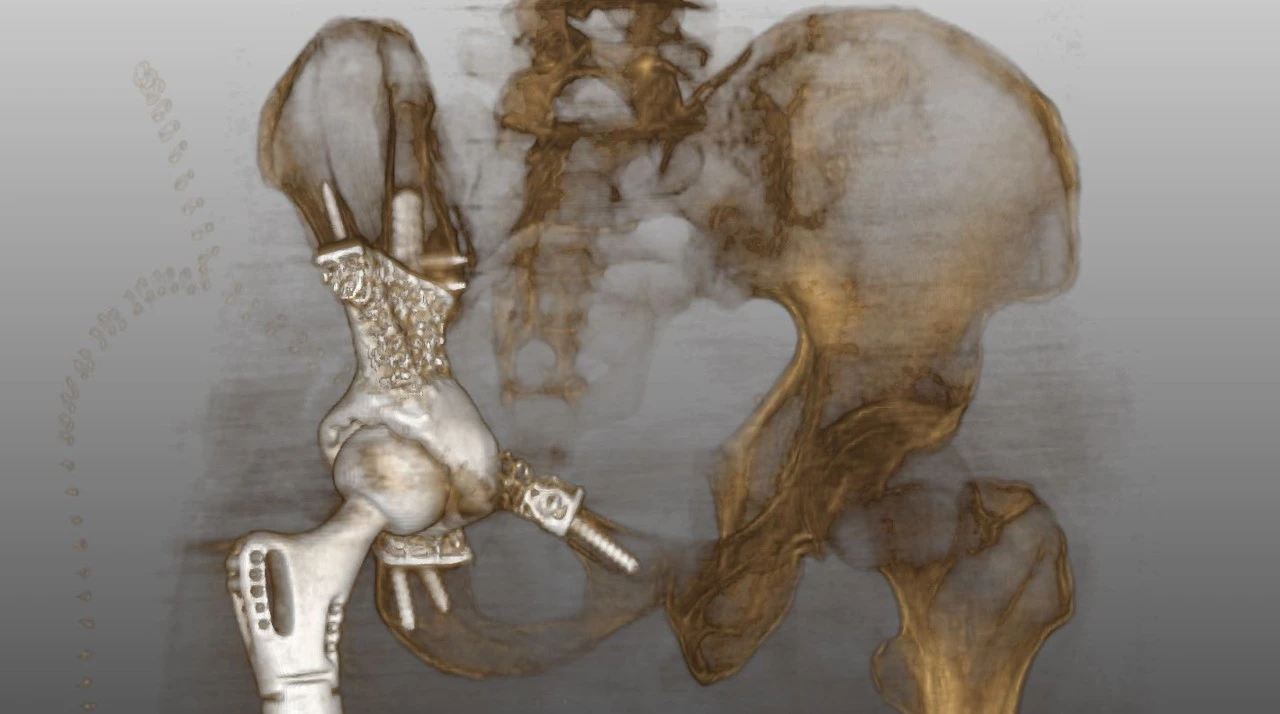
3D model of a personalized pelvic implant
Institute of 3D Technology in Medicine · VinMec – VinUni

Applying 3D technology in medicine – personalizing and refining the precision of every surgical case

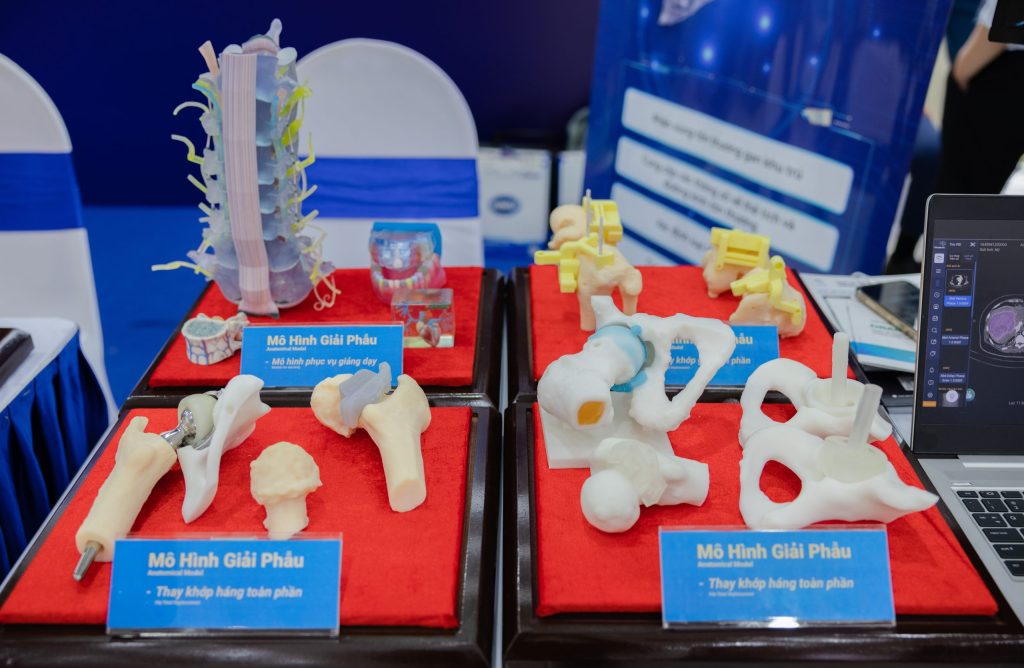
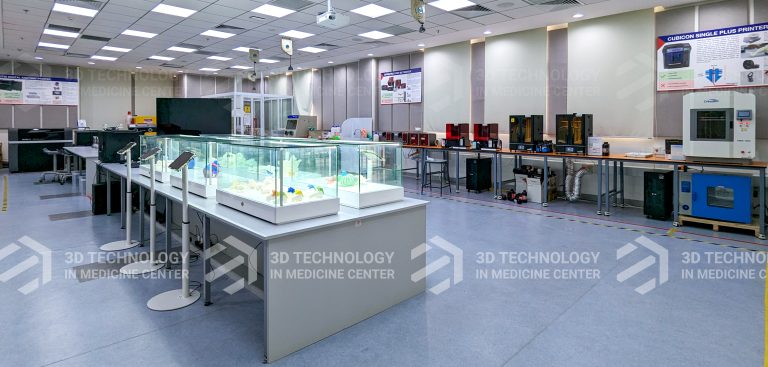
A collaboration between Vinmec International Hospital and VinUniversity, established in July 2022. We design and manufacture 3D anatomical models, patient-specific surgical instruments (PSI), and custom implants tailored to each patient.
Our Mission

Medical treatment is not “one size fits all.” Every patient’s anatomy, pathology, and biomechanics are unique — and increasingly, so is their treatment. The 3D Technology in Medicine Center exists to make that personalization real: combining medical imaging, computer-aided design, and metal and polymer 3D printing to design and manufacture devices built for one patient, and one patient only.
Our work rests on three pillars: Education, Research, and Manufacturing in medicine.

ABOUT OUR CENTER

What We Do

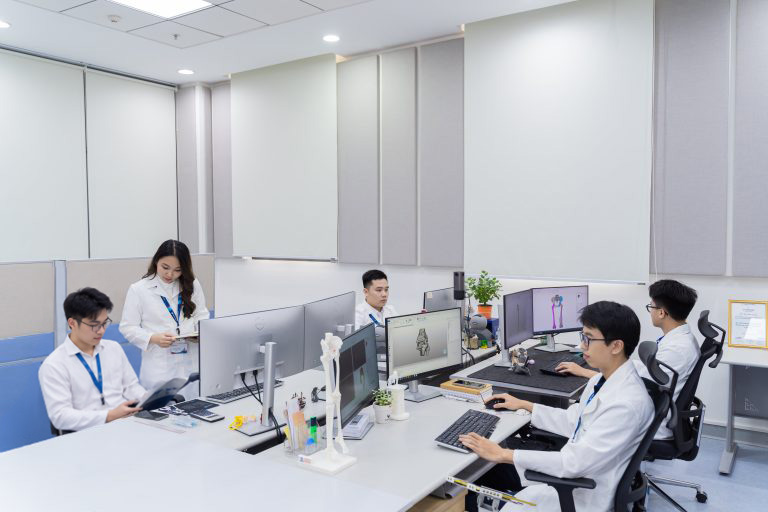
Design & Plan — Converting CT/MRI scans into millimeter-accurate 3D anatomical models and pre-surgical plans. Print & Manufacture — Producing patient-specific surgical guides, anatomical models, and metal or polymer implants in our own certified facility. Operate & Support — Working alongside surgical teams in the operating room, and following patients through recovery.

Why It Matters

Standardized implants ask the body to adapt to the device. Personalized, 3D-printed devices are built to adapt to the body — reducing surgical time, blood loss, and complication risk, while improving fit, function, and long-term outcomes. It is why global healthcare leaders increasingly treat 3D-printed, patient-specific devices not as a novelty, but as the next standard of care in orthopedics, oncology, cardiovascular surgery, and craniomaxillofacial reconstruction.

Who We Are

The 3D Technology in Medicine Center is a joint initiative of VinUniversity and Vinmec International Hospital, established to bring engineering-grade precision to personalized surgical care. Work on the center’s core technologies began in late 2021, and the center was formally inaugurated in July 2022 as a dedicated facility for education, research, and manufacturing in medicine — housed on the VinUniversity campus at Vinhomes Ocean Park, Gia Lâm, Hanoi.

In a few years, the center has grown from a research lab into one of the most clinically active 3D-printing programs in Southeast Asia, supplying anatomical models, patient-specific surgical instruments, and custom implants to leading hospitals across Vietnam.

Our Leadership

The center is directed by Prof. Trần Trung Dũng, MD, PhD — CEO of the Vinmec Healthcare System, Director of the Orthopedic and Sports Medicine Center at Vinmec Times City International Hospital, and Director of the 3D Technology in Medicine Center. Under his leadership, the center’s multidisciplinary teams — clinical, design, operations, and research — work side by side on every case, from first scan to post-operative follow-up.

Prof. Tran Trung DZUng, MD, PhD

A leading figure in Vietnamese orthopedic surgery, Prof. Dũng specializes in trauma orthopedics and bone-and-soft-tissue cancer surgery. He previously served as Deputy Director and Head of Trauma-Orthopedics at Xanh Pôn General Hospital, Hanoi, and led the Trauma-Orthopedics Division at Hanoi Medical University, with advanced training in Japan, South Korea, Thailand, and Australia. He was named Associate Professor in 2015 and Professor in 2020. Over more than two decades, he has personally performed over 1,000 hip replacements, 500+ knee replacements, nearly 10,000 knee arthroscopies, 500+ shoulder arthroscopies, nearly 100 shoulder, elbow, and small-joint replacements, and 400+ limb-salvage surgeries for bone and soft-tissue cancer. Part of Vietnam’s founding “golden generation” of orthopedic surgery, he has authored dozens of research papers, contributed to over ten medical textbooks, and holds membership in AAOS, AANA, APKASS, APOA, and ISAKOS, and serves on the Executive Committee of the Vietnam Orthopaedic Association.

Board of Directors

Prof. Tran Trung Dzung, PhD
Chief Executive Officer

CEO of Vinmec Healthcare System and Director of Orthopedics and 3D Technology in Medicine, leading multidisciplinary teams from scan to post-operative care.

Pham Trung Hieu, MD, PhD
Deputy Director, 3D Lab

Orthopedic surgeon specializing in joint surgery, musculoskeletal care, and 3D technology applications.

VO SY QUYEN NaNG, MSc, MD
Deputy Director, 3D Lab

Orthopedic surgeon pioneering personalized 3D printing, robotics, research, and advanced joint replacement.
Clinical Team

Phan Thanh Tung, MSC, MD
Clinical Physician

Orthopedic surgeon specializing in knee replacement, personalized 3D printing, robotic surgery, and AI-assisted clinical applications.

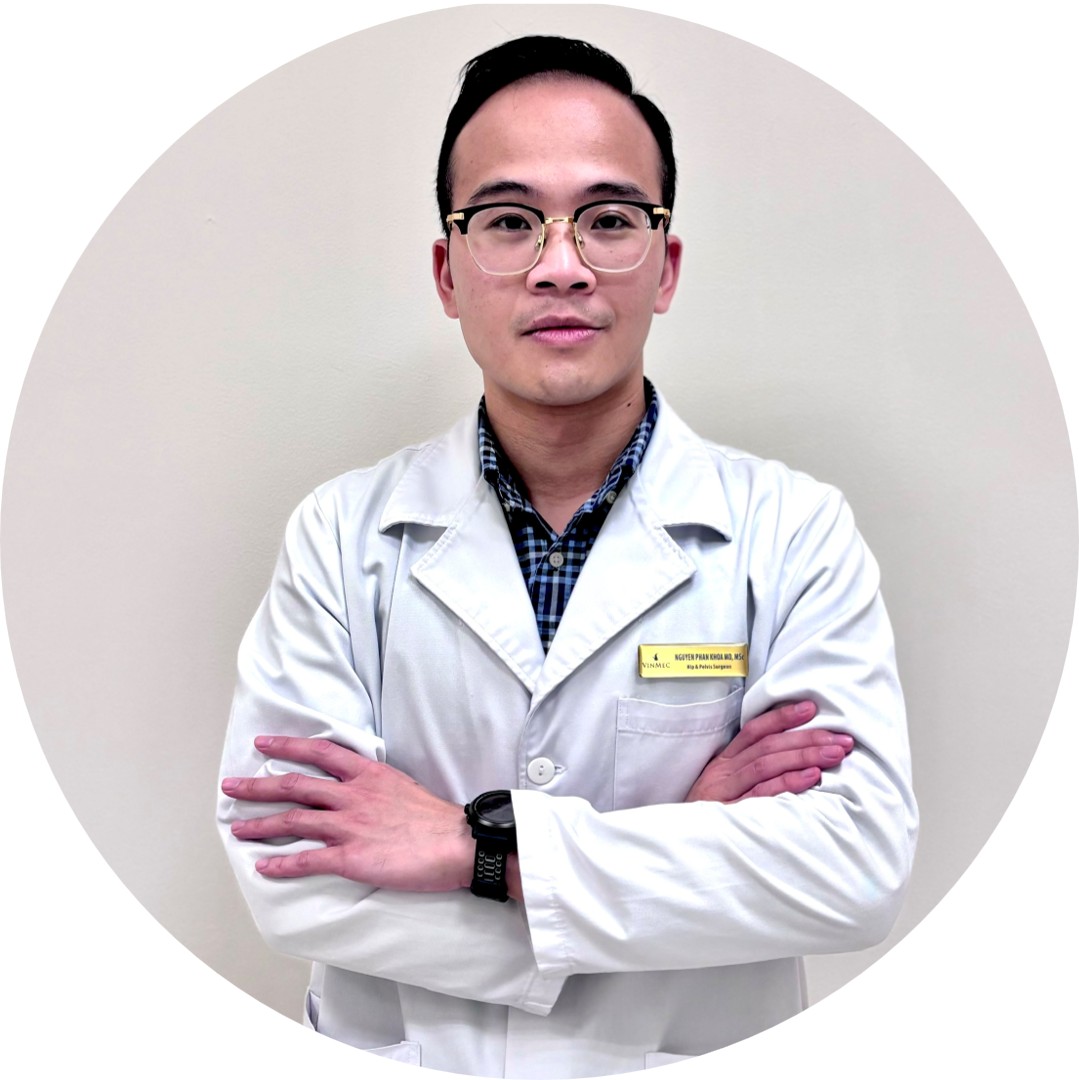
Phan Khoa Nguyen, MSC, MD
Clinical Physician

Orthopedic surgeon specializing in hip and pelvic surgery, joint replacement, sports injuries, trauma care, and clinical education.

Design Team

DO VIET LONG
3D Design Engineer

Lead 3D Design Engineer specializing in personalized medical 3D products and digital healthcare solutions.

NGUYEN QUANG DUC
3D Design Engineer

Mechanical Design Engineer specializing in precision engineering, structural design, manufacturing, and personalized medical 3D products.

Operator Team

NGUYEN HAI LONG
3D OPERATOR Engineer

3D Printing Engineer specializing in personalized medical applications and advanced polymer printing operations.

NGO TRUNG NGHIA
3D Q/A-Q/C Engineer

Mechanical Engineering student supporting quality control, product inspection, and defect traceability within 3D manufacturing.

OPERATOR TEAM

NGUYEN VIET HOANG, MD
Research Assistant

Medical doctor and research assistant specializing in 3D technology applications for healthcare and medical innovation.

NGUYEN T. HUONG THAO, MD
Research Assistant

Orthopedic surgeon specializing in knee replacement, personalized 3D printing, robotic surgery, and AI-assisted clinical applications.

LE MAI BAO CHAU, MSC, MD
Research Assistant

Orthopedic surgeon specializing in hip and pelvic surgery, joint replacement, sports injuries, trauma care, and clinical education.

Recognition

2022

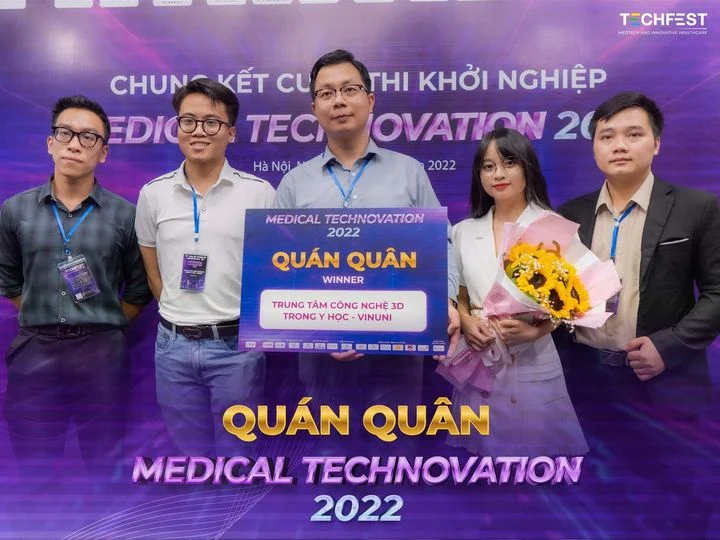
 First place nationally at Medical Technovation for the center’s Patient-Specific Instrumentation (PSI) technology, the first invention of its kind in Vietnam and, at the time, without a published international precedent.
2023

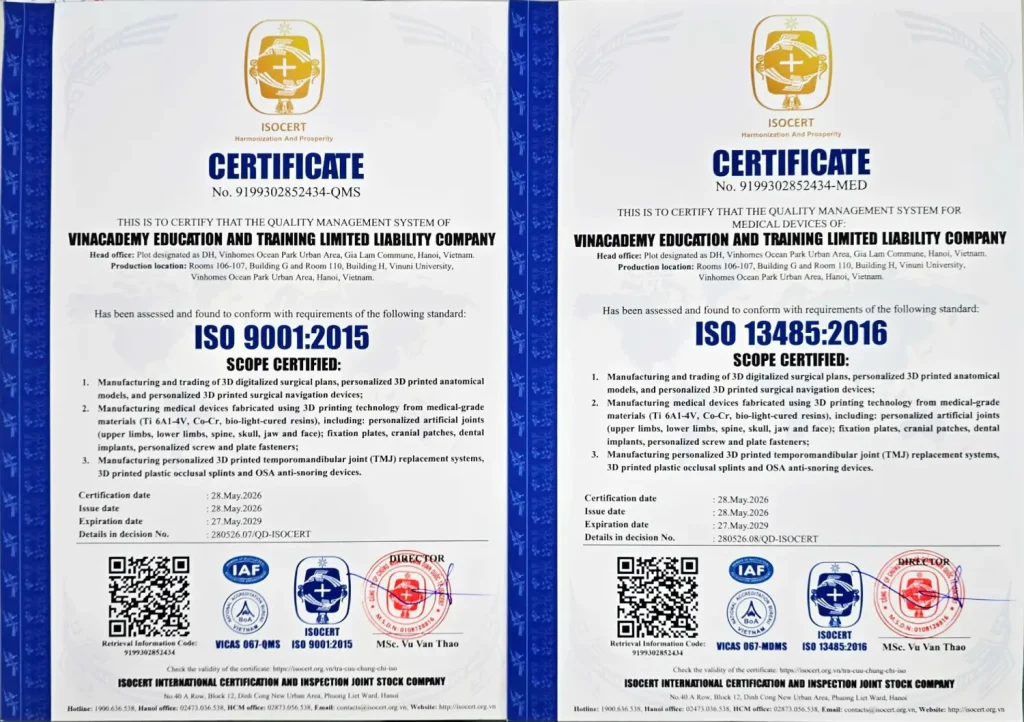
Certified to ISO 9001:2015 (Quality Management System) and ISO 13485:2016 (Medical Devices Quality Management System) for its two flagship product lines: 3D-printed anatomical models and Patient-Specific Instruments — one of the first labs in Vietnam to hold both certifications.

Our Partners

The center maintains active collaborations with leading international institutions and technology providers, including Sheba Medical Center (Israel), Cleveland Clinic (USA), the University of Illinois and the University of Pennsylvania (USA), and technology partners Stratasys, SLM Solutions, Materialise, mediCAD, and SprintRay. In September 2025, Vinmec and VinUniversity signed a strategic Memorandum of Understanding with Stratasys to expand the use of 3D printing in training, research, and clinical care across Vietnam.

Scroll to watch the PSI lock onto the bone

Two Manufacturing Platforms, One Personalized Workflow

The center’s capabilities rest on two complementary 3D-printing platforms:

Moving the PSI into position…

Metal 3D Printing

Direct metal laser sintering

Selective laser melting of medical-grade titanium alloy, used for permanent, load-bearing implants: joint replacements, bone-tumor reconstructions, craniomaxillofacial plates, and trauma implants.

Biocompatible Polymer Printing

Multi-material and high-temperature FFF

photopolymer printing, used for full-color diagnostic anatomical models, sterilizable surgical guides, and PEEK-based implant components.

Our Equipment

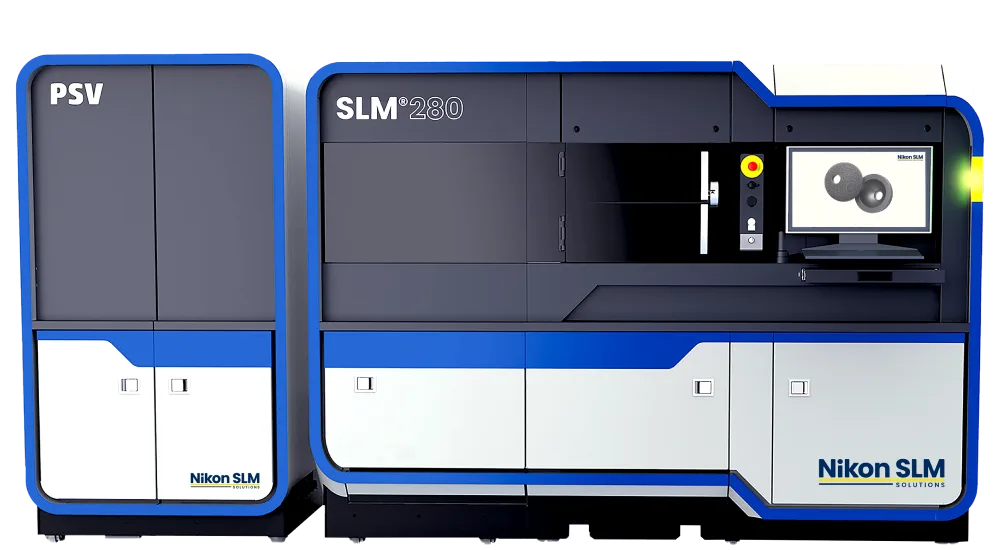
SLM 280 Solution

industrial metal 3D printer used to produce titanium (Ti-6Al-4V) implants and patient-specific instruments to European CE-standard processes.

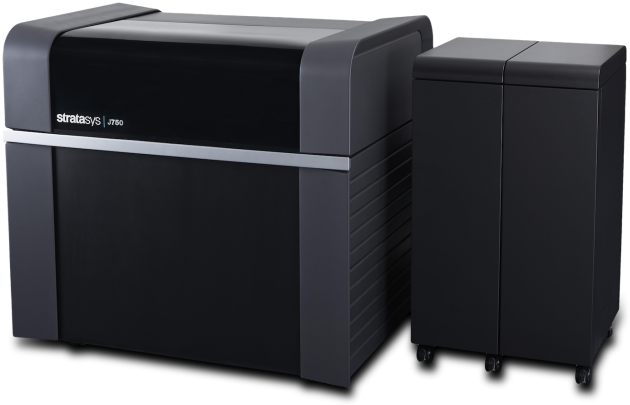
Stratasys J750 Digital Anatomy Printer

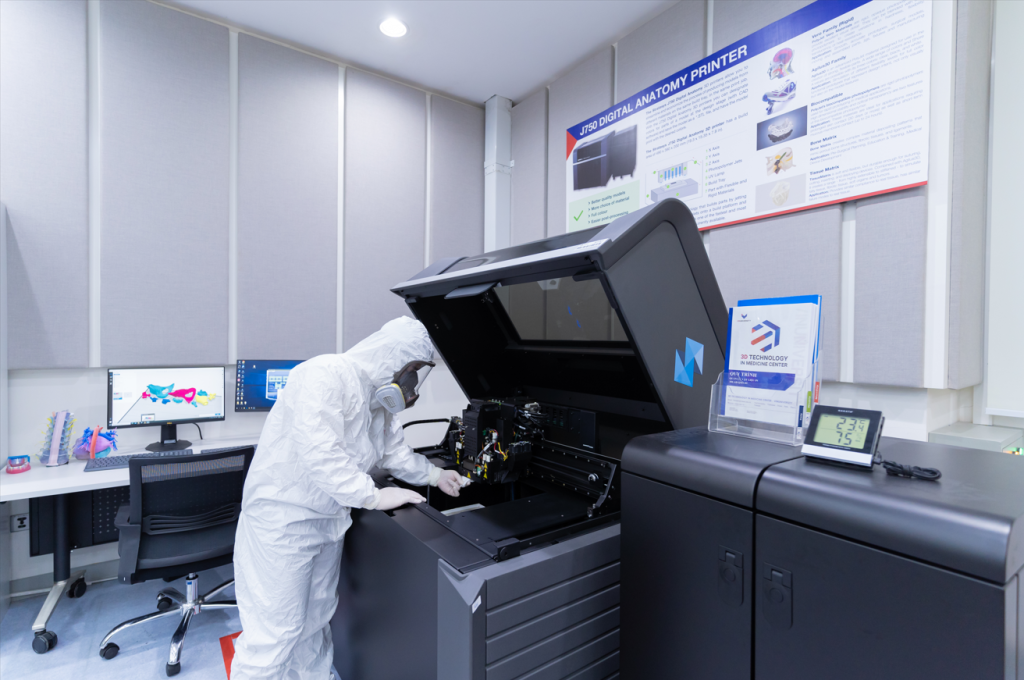
full-color, multi-material printer that reproduces the look, feel, and mechanical behavior of bone, cartilage, and soft tissue for lifelike surgical rehearsal models.

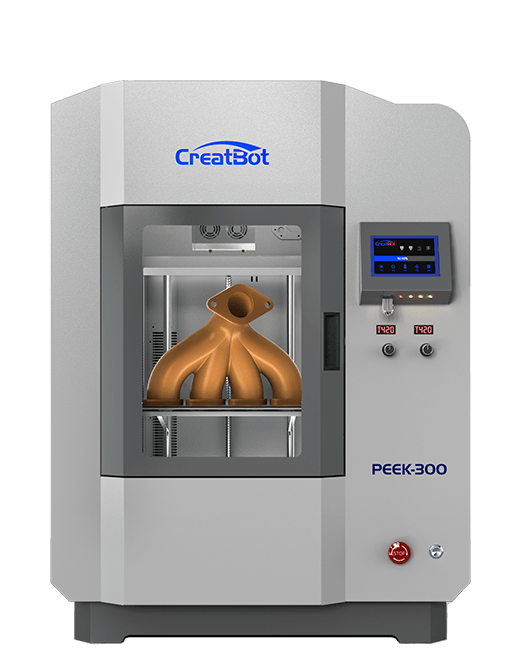
Creatbot PEEK-300

a high-temperature FFF printer (build chamber to 300°C) dedicated to PEEK, a biocompatible, radiolucent, bone-like polymer increasingly used for cranial and spinal implants.

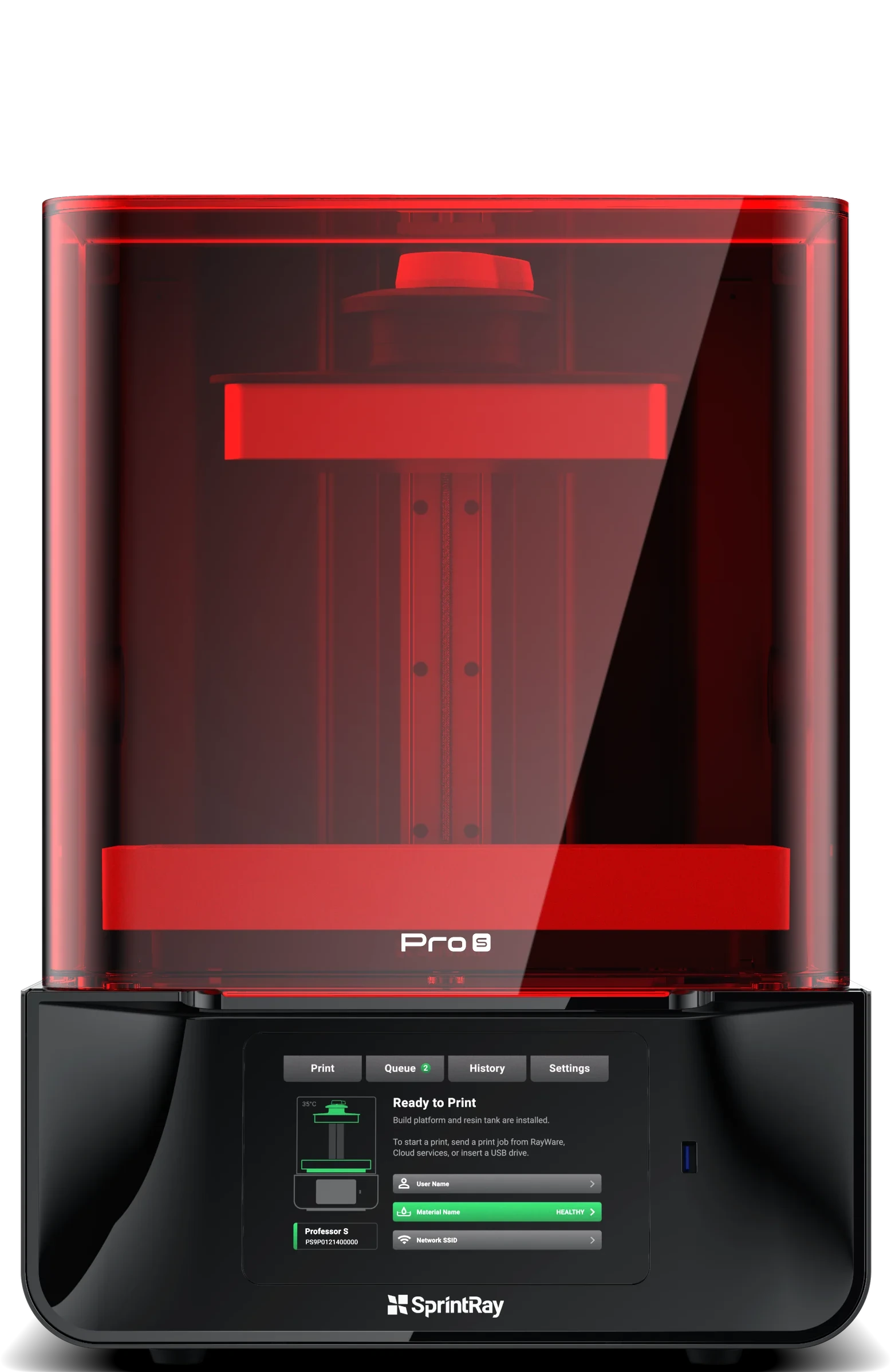
SprintRay Pro95

high-resolution resin printer for surgical guides and fine anatomical detail.

Medical 3D Workflow

From Scan to Implant:
Our Workflow

Step 01

Diagnostic Imaging

CT/MRI acquisition of the patient’s anatomy.

Step 02

Engineering Analysis

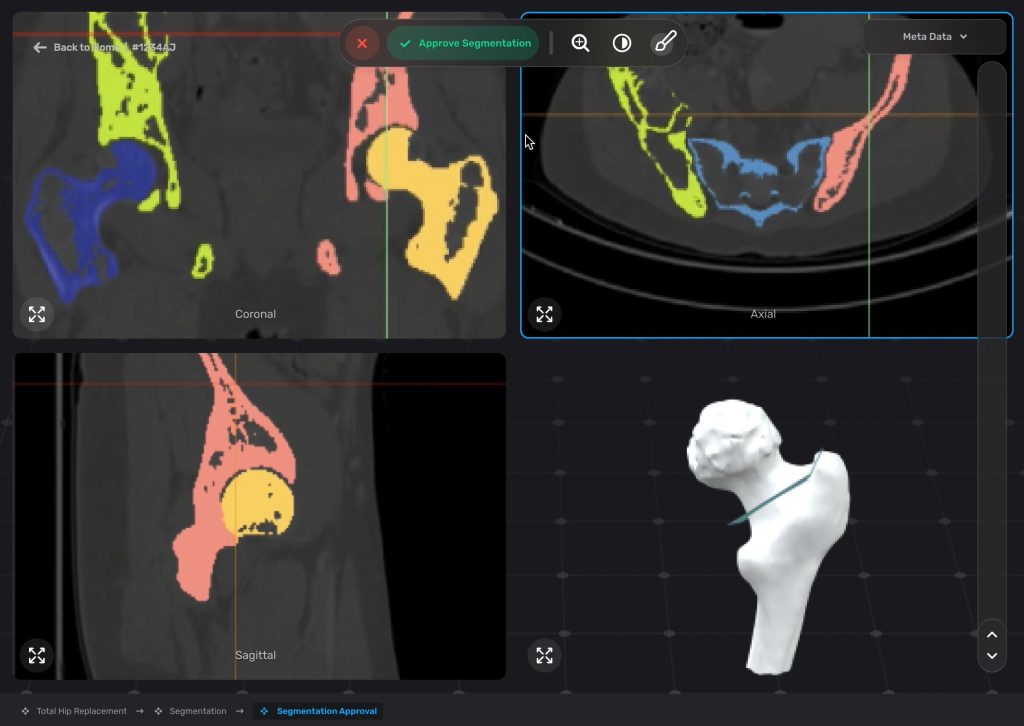
Segmentation and technical measurement of anatomical structures.

Step 03

3D Design

Designing the anatomical model, guide, or implant in specialized CAD software.

Step 04

3D Printing

Manufactured in medical-grade titanium, PEEK, or biocompatible resin.

Step 05

Post-Processing

Support removal, surface finishing, and sterilization for surgical use.

Step 06

Finishing & Verification

Dimensional and quality checks before release for surgery.

Every implant is rehearsed at least twice before the real operation — once in software simulation, once on a physical 3D-printed model — a process the center’s clinicians credit with the exceptional in-surgery accuracy described in our Case Studies.

Biocompatible Standards

Medical-Grade Materials & Applications

Metal Alloy

Titanium Alloy (Ti-6Al-4V)
Origin: Imported from Germany with verified medical CO/CQ.
Features: SLM 280 printed with porous bone-integrating lattice.
Applications: Bone defect reconstruction and load-bearing implants.

High Polymer

PEEK (Polyether Ether Ketone)
Origin: Medical thermoplastic compliant with ISO standards.
Features: Radiolucent, inert, elastic modulus close to natural bone.
Applications: Custom cranial defect repair and load-bearing implants.

Wear Resistant

UHMWPE (Polyethylene)
Origin: Ultra-high-molecular-weight polymer for joint contact.
Features: Extremely low friction coefficient and wear resistance.
Applications: Articular bearing cushions for temporomandibular joints.

Photopolymer

Biocompatible Resins
Origin: Certified photopolymers engineered for clinical tissue contact.
Features: High print precision, smooth finish, autoclave sterilizable.
Applications: Surgical cutting guides, drill templates, and anatomy models.

CLINICAL APPLICATIONS

1. Orthopedic Joint Replacement

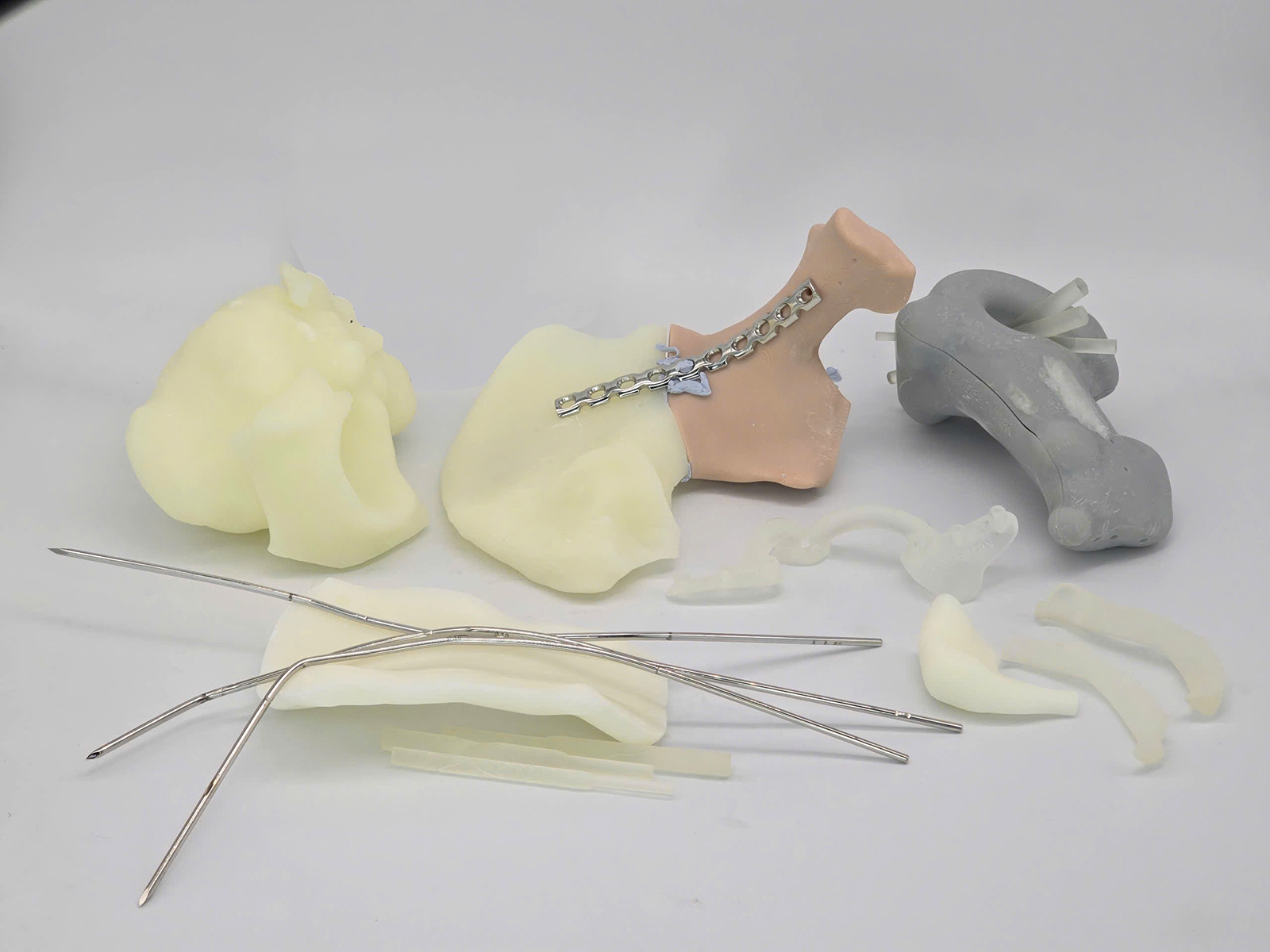
Patient-specific instrumentation (PSI) — 3D-printed cutting and drilling guides built from each patient’s own CT scan — is used routinely in total knee, hip, and elbow replacement, replacing generic instruments with guides that fit only one patient’s bone.

2. Oncologic & Limb-Salvage Reconstruction

For bone and soft-tissue tumors too large or irregular for standard implants, we design custom resection guides and titanium replacements — including full pelvic, femoral, and chest-wall reconstructions — that preserve limbs and function that might otherwise require amputation.

3. Cardiovascular Applications

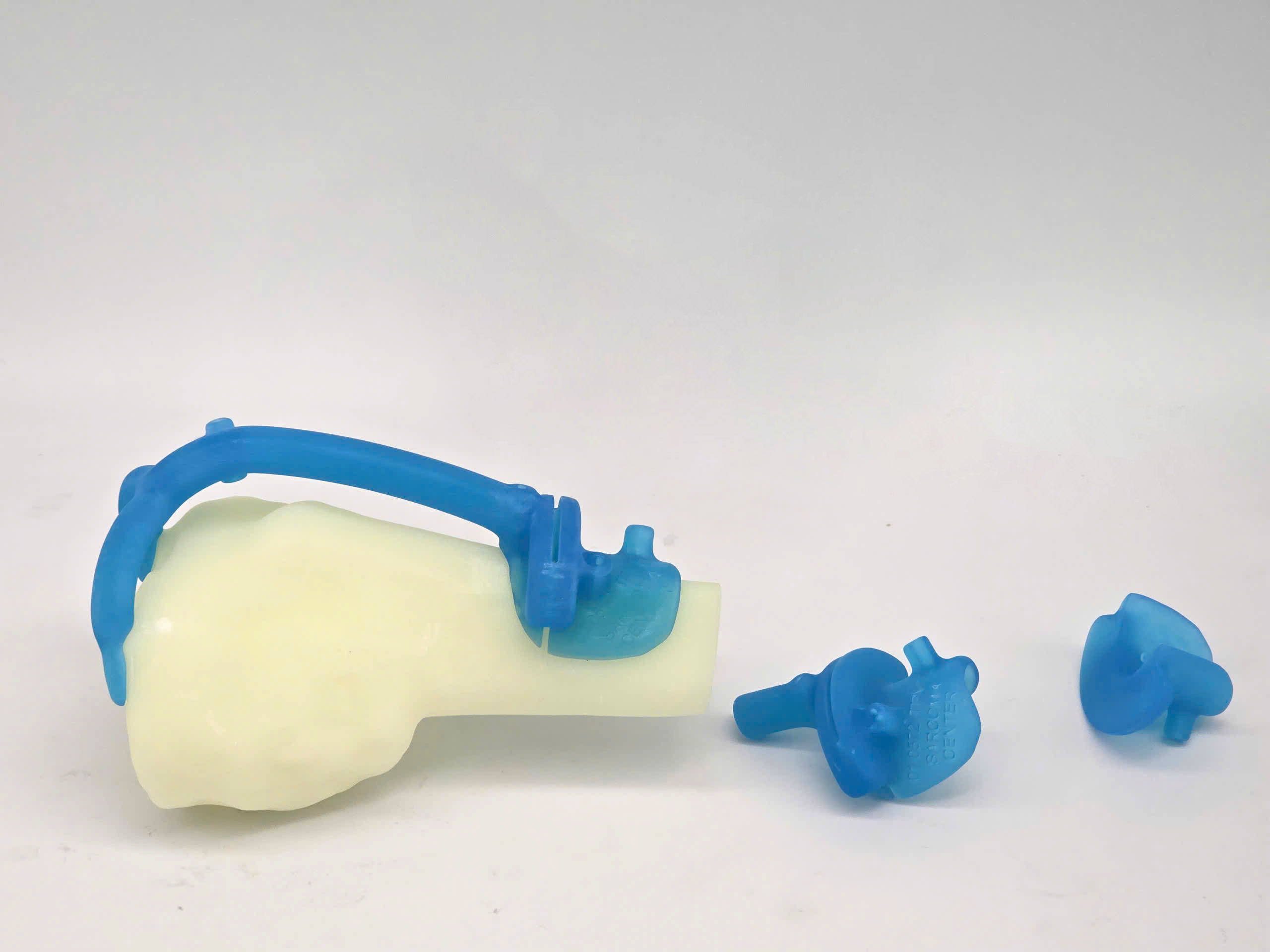
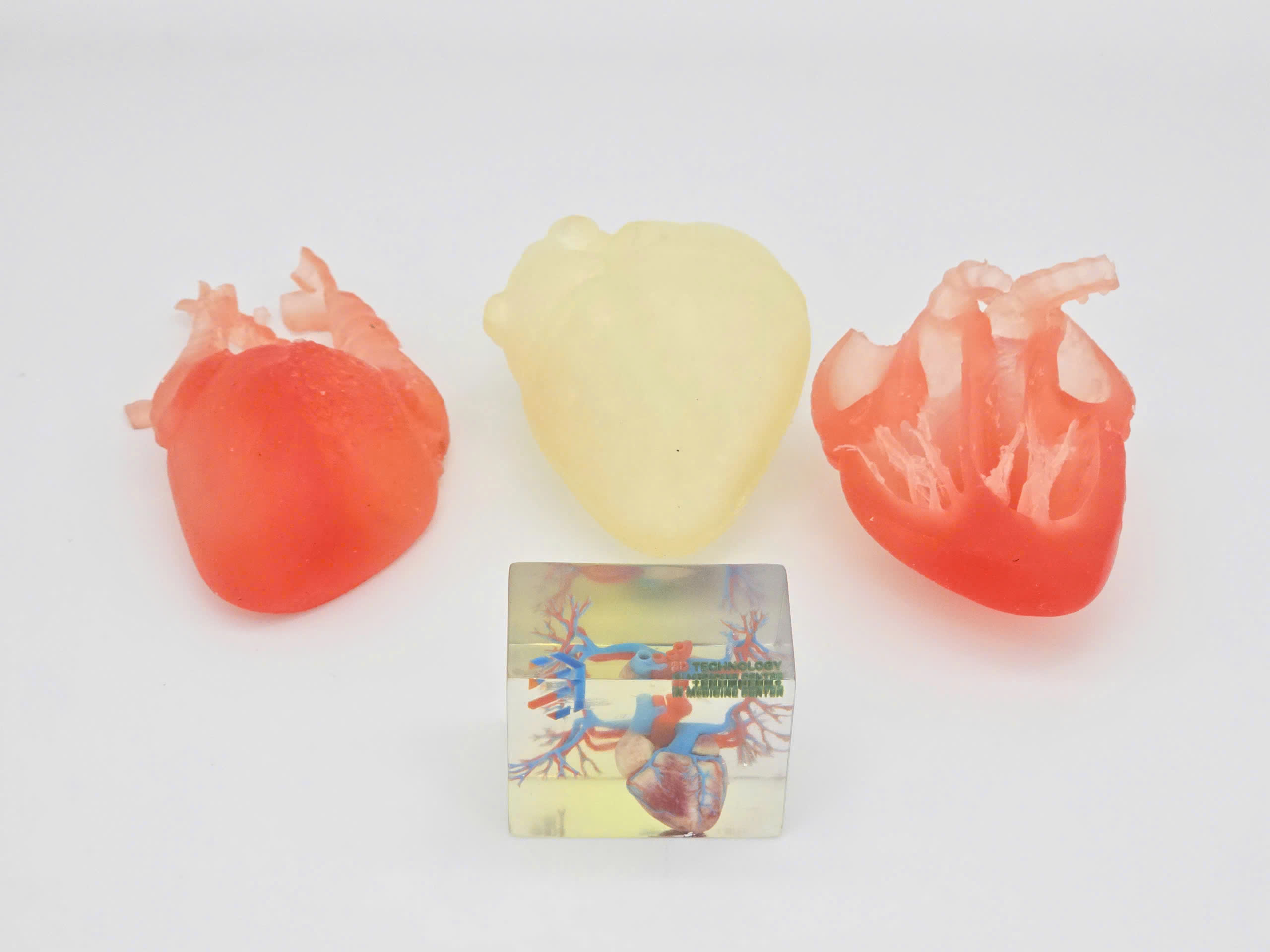
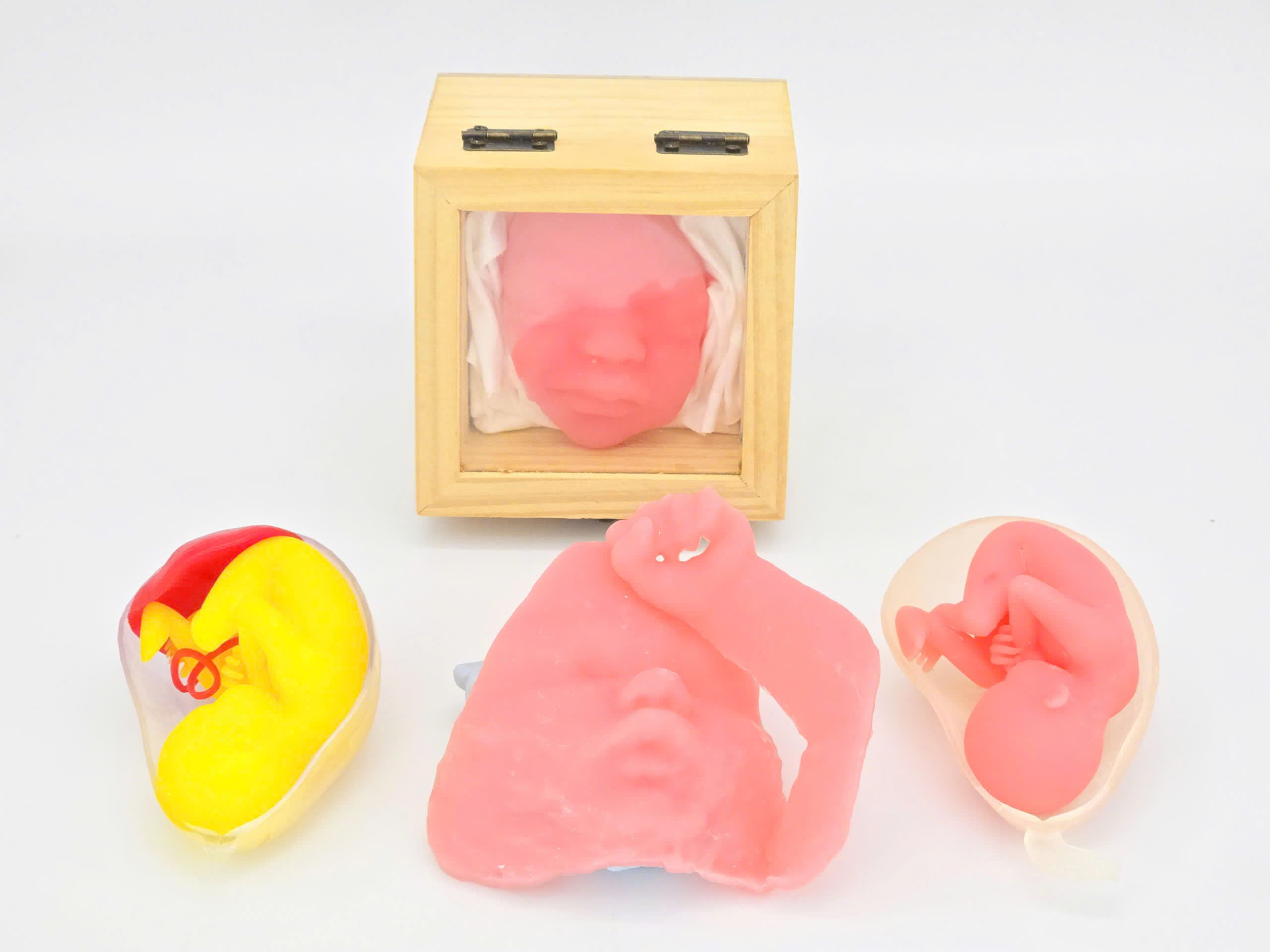
Patient-specific 3D-printed heart and vascular models help clinicians plan complex aortic and cardiac interventions, size and place stents and grafts with precision, and clearly communicate treatment options and risks with patients and families before every procedure.

4. Craniomaxillofacial & Skull Base Surgery

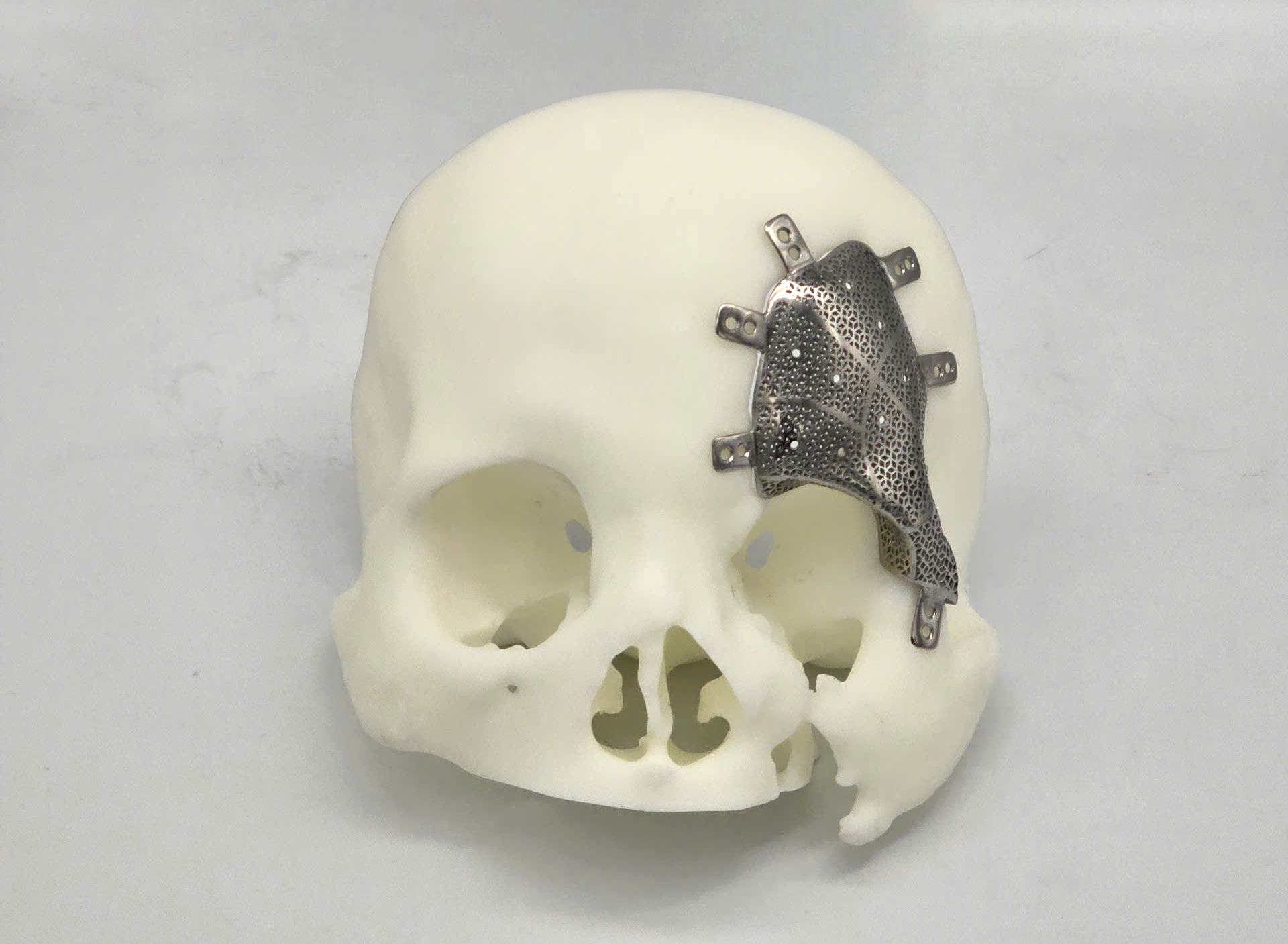
We design and manufacture titanium mesh cranial implants, custom temporomandibular joint (TMJ) replacements, and reconstruction plates for the mandible, zygoma, and frontal bone — restoring facial anatomy, occlusion, and long-term function after trauma or tumor removal.

5. Complex Trauma & Deformity Correction

Beyond joint replacement, we replace small carpal and tarsal bones with custom titanium implants, correct complex limb deformities with patient-specific guides, and build navigation aids for endoscopic tumor removal that spare surrounding cartilage and nerves.

6. Pediatric Orthopedic Care

Children’s growing skeletons rarely match adult-sized implants, so we design bespoke, proportioned devices for young patients — including some of the world’s youngest personalized bone replacements — preserving limbs and long-term mobility after cancer surgery.

CASE STUDIES

HIP TOTAL REPLACEMENT

KNEE TOTAL REPLACEMENT

Partial Pelvic Replacement

Total Femoral Replacement

RESEARCH & EDUCATION

07/2022
07/2022

Institute Establishment

2022–2023
2022–2023

Core Technology Platform Building & ISO Certification

2023–2024
2023–2024

Large-Scale Clinical Applications — Knee & Hip Replacement

2024–2026
2024–2026

Multidisciplinary Patient-Specific Implants — Orthopedics, Maxillofacial & Cardiology

Next
Next

Digital Twins · Augmented Reality · 3D Bioprinting

CLINICAL GOVERNANCE FOR PERSONALIZED RESEARCH

Because every custom implant is, in effect, a single-patient study, the center operates under the ethical framework of the Declaration of Helsinki: personalized implants are used only where no proven alternative treatment exists, every case is reviewed and approved case-by-case by the hospital’s Ethics Council and Scientific Council, patients provide full informed consent, and the full clinical course of every implanted device is followed for life.

EDUCATION & TRAINING

As part of VinUniversity’s College of Health Sciences, the center integrates directly into medical and engineering education — giving students and trainees hands-on exposure to a fully operating clinical 3D-printing workflow, and collaborating with the VinUniversity Medical Simulation Center on simulation-based training. The center’s own engineers have completed specialized international training programs, including SLM metal-printing operation (SLM Solutions, Germany), 3D surgical planning and design (Sheba Medical Center, Israel), and additive manufacturing (NTTF, Bangalore, India).

ACADEMIC & INDUSTRY PARTNERSHIPS

The center collaborates with Sheba Medical Center (Israel), Cleveland Clinic (USA), the University of Illinois, and the University of Pennsylvania (USA) on training and knowledge exchange, and with Materialise, mediCAD, SLM Solutions, SprintRay, and Stratasys on technology and design-software development — most recently formalized through a September 2025 strategic MOU with Stratasys covering training, research, and clinical care.

QUALITY & STANDARDS

Certified Quality Management

The 3D Technology in Medicine Center holds ISO 9001:2015 (Quality Management System) and ISO 13485:2016 (Medical Devices Quality Management System) certification, covering both of its flagship product lines — 3D-printed anatomical models and Patient-Specific Instruments — making it one of the first facilities of its kind in Vietnam to be certified to both standards.

Material Traceability

Every titanium implant begins with fully documented, medical-grade Ti-6Al-4V powder imported from Germany, accompanied by manufacturer Certificates of Origin and Certificates of Quality confirming alloy composition and processing history.

Biocompatibility & Mechanical Testing

Before any new material enters clinical use, it undergoes independent testing for cytotoxicity, genotoxicity, systemic toxicity, and local tissue-compatibility — performed to the Vietnamese national standard TCVN 7391, which mirrors the international ISO 10993 biological-evaluation series — alongside mechanical property testing of the printed material itself.

Sterilization Assurance

All implants and surgical instruments are terminally sterilized by gamma irradiation to ISO 11137, at a validated dose of 25 kGy (or 15 kGy where appropriate) — a dose demonstrated to eliminate more than 99% of bacteria and spores — performed in partnership with the Hanoi Irradiation Center.

Sterilization Assurance

Personalized implants follow three documentation layers — facility certification, patient consent under the Declaration of Helsinki, and hospital Ethics and Scientific Council review — a framework that mirrors the logic behind the U.S. FDA’s custom device exemption for patient-specific implants.

FUTURE VISION

Digital twins for orthopedics

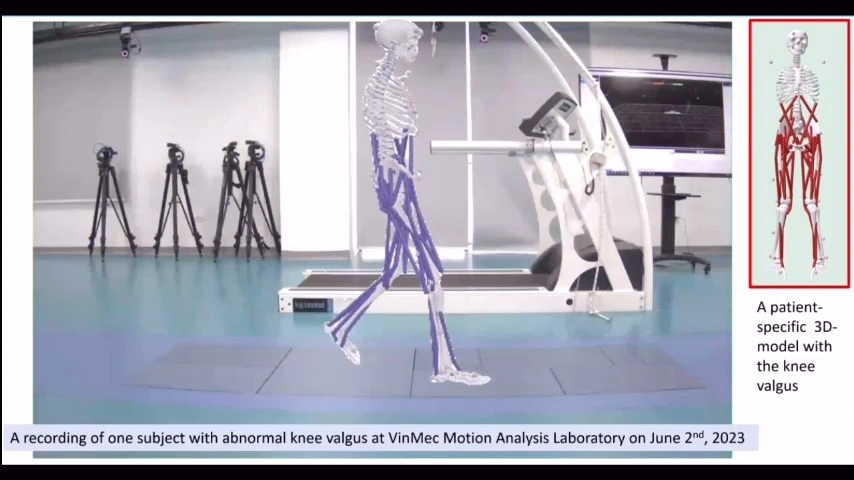
Patient-specific 3D anatomical models combined with real-time gait and motion data from our Motion Analysis Lab, letting surgeons build, test, and carefully refine a full treatment plan virtually before making a single incision in the operating room.

AI-powered segmentation and design

AI-powered software will automatically segment pathology directly from a patient’s CT scans, then generate patient-specific instrument designs from the resection planes a surgeon simply drags and drops — cutting design time from days down to minutes.

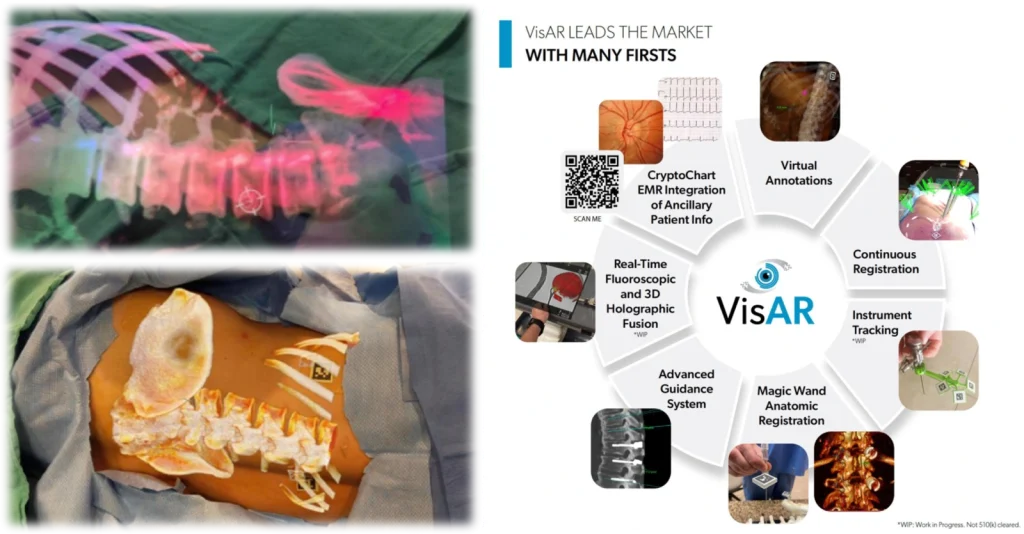
AR and VR in the operating room

Augmented-reality navigation projects a patient’s own anatomy, implant position, and tracked instruments directly into the surgeon’s field of view during live surgery, paired with cloud-based design platforms that extend our lab beyond its own walls.

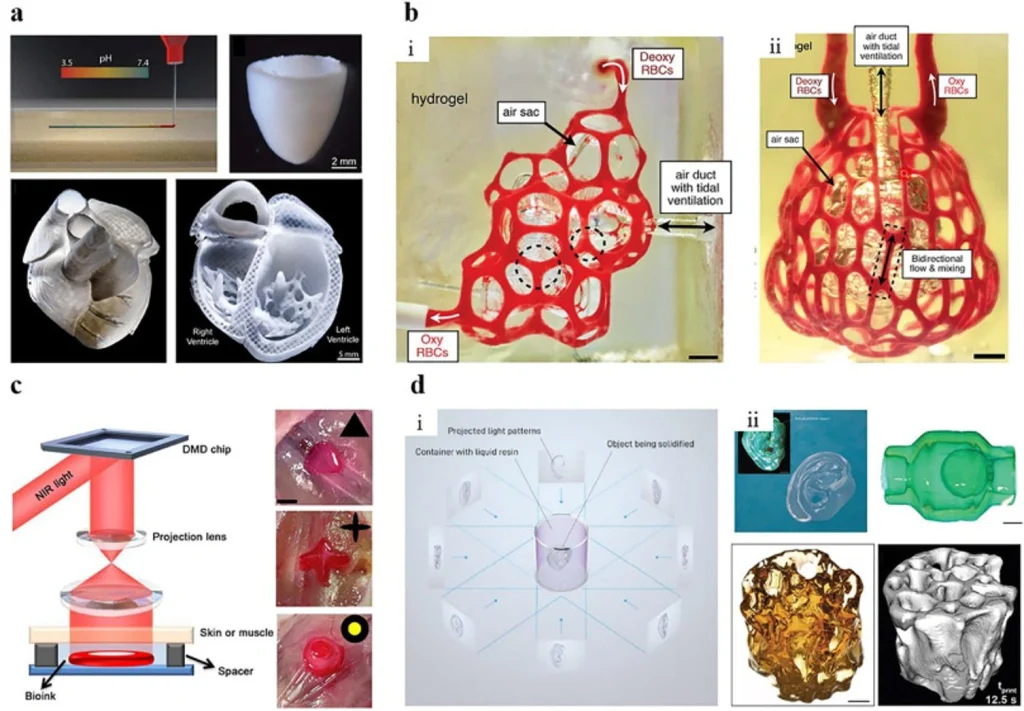
3D bioprinting

Tracking the global progression of 3D bioprinting from today’s structural implants toward biodegradable scaffolds, in-vitro disease models, and engineered living tissue — already producing early, functional models of heart, lungs, and ear structures.